Functional patient stratification using PIMS® and NPOT®
Patients with inflammatory bowel disease (IBD) who are refractory to anti-TNF therapies represent a significant unmet clinical need. Although vedolizumab is an established therapy, only a subset of patients derive clinical benefit, and response cannot currently be predicted with sufficient confidence prior to treatment.
From a translational science and drug development perspective, this uncertainty contributes to:
There is therefore a strong need for functional approaches that enable earlier, biologically grounded treatment decisions.
This case study applied Physiological Inter-Molecular Modulation Spectroscopy (PIMS®) to assess therapeutic response ex vivo using patient-derived biological samples.
PIMS® is a label-free biophysical technology that detects functional molecular responses by measuring nanoscale changes in water molecule resonance following drug challenge. Because the biological sample remains in its native state, this approach captures real-time functional engagement of pharmacological signalling pathways, rather than indirect or static molecular markers.
To provide mechanistic understanding of response and resistance, Nematic Protein Organization Technique (NPOT®) was subsequently applied to identify the protein networks underlying the observed functional phenotypes.
This design enabled direct assessment of drug-induced functional modulation within patient-specific biological matrices.
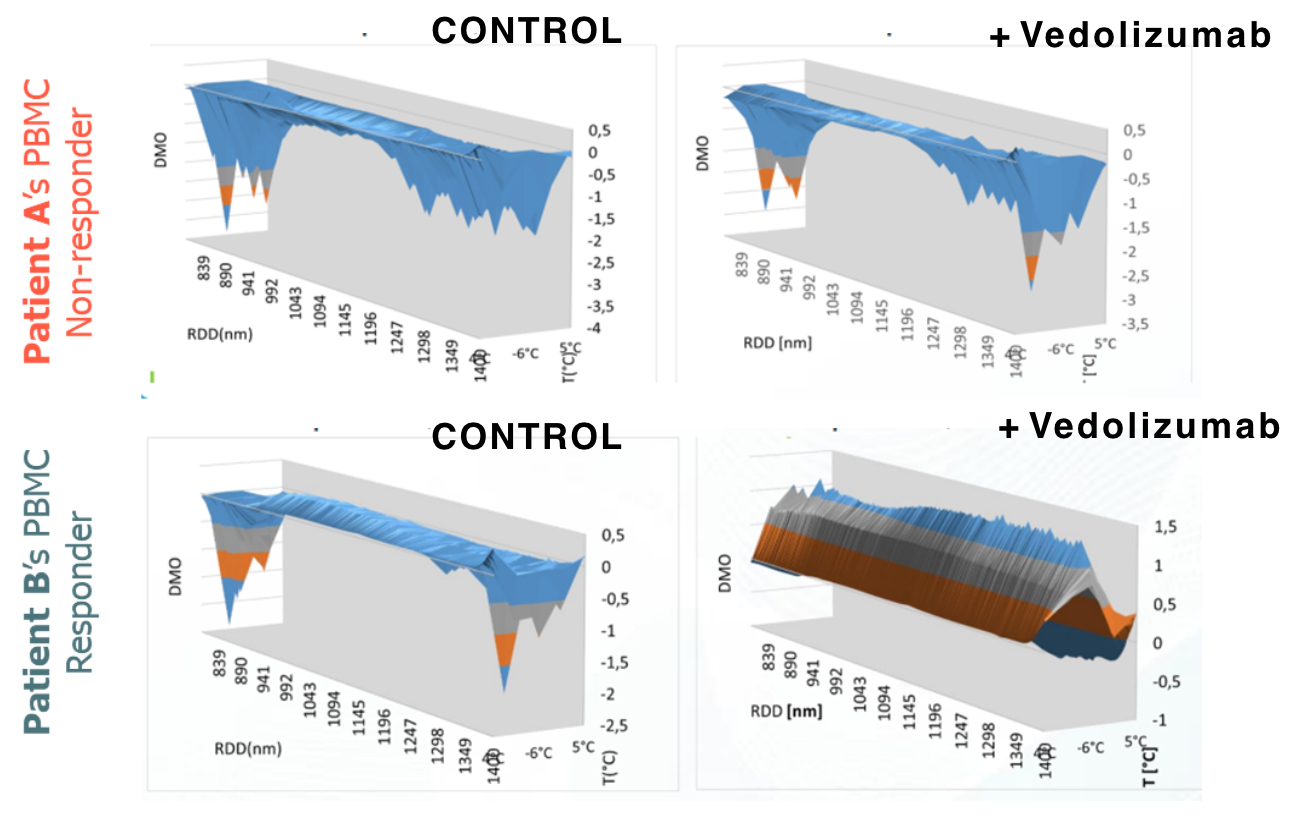
Figure 1. Representative PIMS® spectra generated from PBMC samples at baseline and following vedolizumab challenge.
PIMS® analysis revealed a clear and reproducible functional distinction between responders and non-responders:
These functional differences were captured as distinct three-dimensional spectral fingerprints, demonstrating that therapeutic response could be predicted prior to clinical treatment.
Reference: Functional Molecular Network Analysis Enables Prediction of Response to Vedolizumab Therapy in Anti-TNF Refractory IBD Patients. Crohn's & Colitis 360, 2020; doi:10.1093/crocol/otaa037.
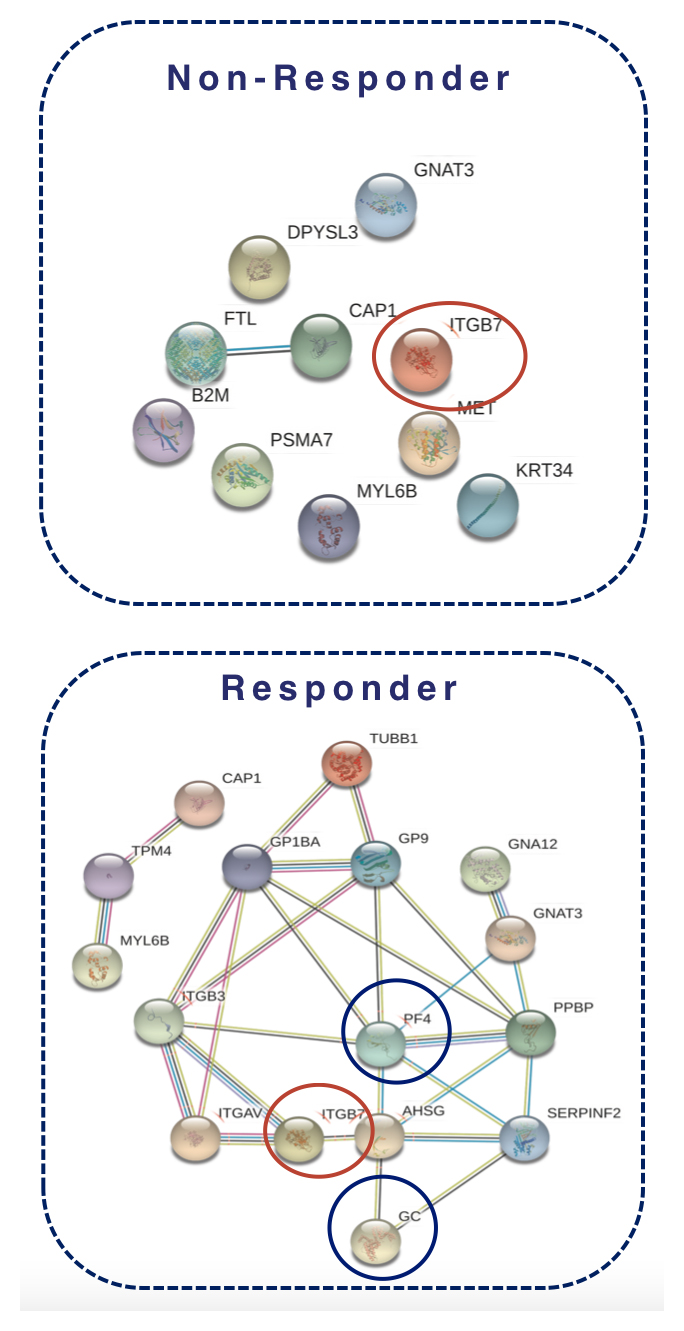
Figure 2. NPOT®-derived protein interaction networks in responder and non-responder PBMC samples following vedolizumab challenge.
NPOT® analysis provided mechanistic interpretation of the functional differences detected by PIMS®:
This analysis demonstrates that target presence alone is insufficient — functional network engagement is required for therapeutic response.
Reference: Crohn's & Colitis 360, 2020; doi:10.1093/crocol/otaa037.
NPOT® identified key proteins associated with response to vedolizumab, including:
These biomarkers provide a molecular basis for patient stratification and are supported by independent clinical evidence linking vitamin D status to vedolizumab response in IBD patients.
Together, these findings demonstrate how functional stratification can be translated into biomarker-driven clinical decision support.
Supporting references: Gubatan et al., 2021; Abraham et al., 2023.
This case study illustrates how functional molecular profiling can support earlier, more confident decision-making in translational research and drug development.
Functional molecular profiling enables prediction of therapeutic response while preserving biological context and mechanistic understanding.
By integrating PIMS®-based functional stratification with NPOT®-driven pathway analysis, this approach adds a decision-ready layer of evidence to translational science — without oversimplifying the underlying biology.
Discuss how functional stratification could support your programmes.